
Break Lock-In Without Breaking Recovery.
Keep recovery points useful while you move beyond closed backup formats, VMware-only restores and destination platforms with weak protection.
Sendense gives teams a portable recovery layer: cross-platform restore, EBA repository efficiency, recovery-validation evidence and destination protection for CloudStack, OSSEA, Azure, VMware or another supported target.
Any
Supported Target
Keep
Recovery History
EBA
Repository Path
Proof
Validated Restore
Portable Recovery Map
Keep the recovery point independent from the platform decision
Source
VMware
Repository
EBA
Target
Any Fit
Break
Convert
Protect
Where Lock-In Shows Up
Lock-In Is a Recovery Problem.
Infrastructure choice is only useful if recovery can follow it. Sendense breaks the dependency between protected data, old platform economics and the restore target you need next.
Same Platform Only
Restore Target Lock-In
A backup is not portable if it can only restore back to the platform you are trying to leave. Sendense keeps the recovery destination open.
Years of Recovery Points
Backup History Lock-In
Platform exits often fail when old recovery points become stranded. Sendense is designed to keep history useful while the estate changes.
Specialist Hardware Gravity
Repository Lock-In
EBA gives Sendense a software-defined repository layer, reducing dependence on proprietary appliance islands and closed storage paths.
No Enterprise DR Blocker
Adoption Lock-In
Open platforms become easier to adopt when backup, proof and disaster recovery are already part of the destination story.

Choose the Destination for the Event.
The right target can change by workload, wave, region, cost model or incident. Sendense keeps the recovery path flexible enough to support that choice.
CloudStack
Recover or migrate VMware workloads into CloudStack while keeping data protection part of the operating model.
OSSEA
Use OSSEA as an open infrastructure landing zone without making lack of enterprise backup and DR the blocker.
Azure
Choose cloud compute when location, burst capacity or recovery urgency makes a temporary destination the right move.
VMware
Keep a familiar restore path available during a staged exit, coexistence plan or controlled rollback window.
From Closed Platform to Protected Landing Zone.
The exit path becomes safer when backup history, repository efficiency, conversion and validation are treated as one recovery workflow.
Protect
Capture recovery points from the current platform before the exit path is decided.
Index
Keep file, workload and recovery-point metadata available so history remains usable.
Reduce
Use EBA repository efficiency to reduce data gravity and preserve a governed recovery path.
Convert
Prepare VM format, boot behavior and target metadata as part of restore or migration.
Land
Recover to CloudStack, OSSEA, Azure, VMware or another supported target when it makes sense.
Validate
Use recovery-validation and clean-room workflows to prove the destination is recoverable.
No
Same-Platform Restore Trap
Recovery can target the platform that fits the event or migration plan.
Keep
Backup History Useful
Recovery points and evidence remain part of the story after platform change.
Open
Destination Choice
CloudStack and OSSEA adoption no longer waits for enterprise DR to catch up.
Proof
Before Cutover
Validation evidence reduces the risk of moving on hope alone.
Portable Recovery Proof
Open Choice Still Needs Enterprise Protection.
Sendense makes the open-platform case stronger by keeping recovery, validation and repository governance close to the workload before and after the move.

Restore Across Platforms
Sendense handles conversion during restore, so the destination can be CloudStack, OSSEA, Azure or VMware instead of only the original platform.

Keep Backup History Useful
Recovery points, metadata and evidence stay valuable as the estate changes, reducing the risk of a platform exit that strands old protection.
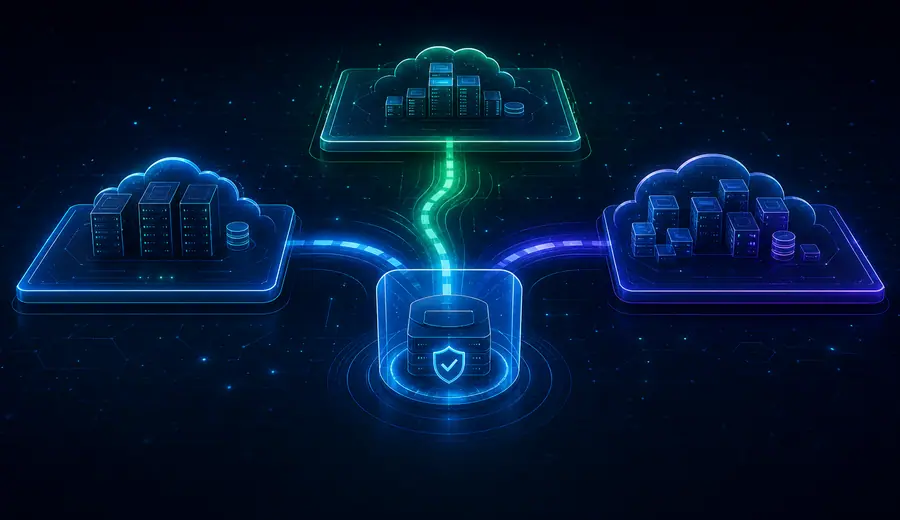
Choose the Target Late
Use the destination that fits the recovery event, cost model or migration wave instead of fixing that choice at backup time.
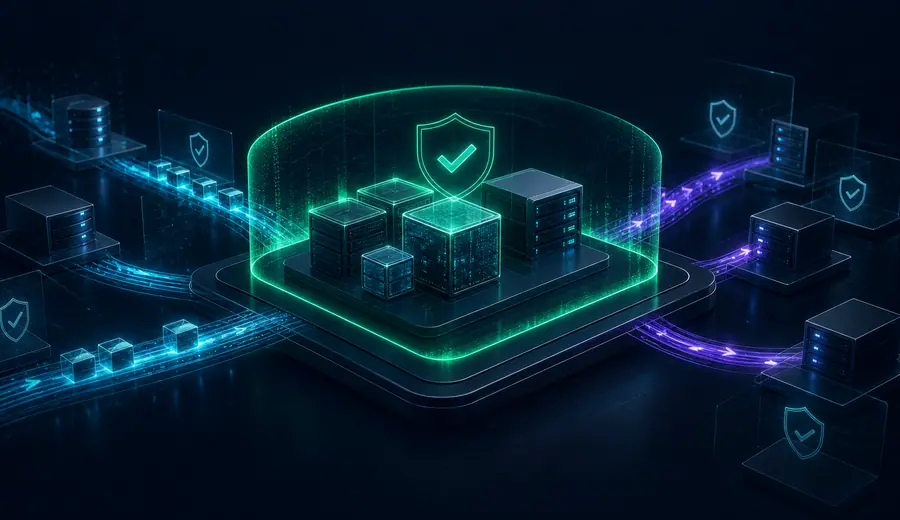
Protect the Destination
Backup, validation and DR make CloudStack or OSSEA adoption more credible because enterprise protection is present from day one.
Break Lock-In FAQs
FAQs for Vendor Lock-In.
Short answers about recovery portability, backup history, VMware exits and open-platform adoption.
01What Does Vendor Lock-In Mean for Backup and DR?
Vendor lock-in means the recovery path is tied to a specific hypervisor, backup format, repository appliance or operational model. The backup exists, but useful recovery still depends on the vendor or platform you are trying to leave.
02Can Sendense Restore VMware Workloads to CloudStack or OSSEA?
Yes. Sendense is designed for cross-platform restore and inline conversion so VMware recovery points can land on supported targets such as CloudStack, OSSEA, Azure or VMware depending on the recovery plan.
03Do We Lose Backup History When We Change Platform?
Sendense is designed to keep recovery points, metadata, retention context and recovery evidence useful during platform change. That helps teams avoid a migration where older backup history becomes stranded.
04Does This Replace a Migration Plan?
No. Application dependencies, identity, networking, storage performance and cutover sequencing still need planning. Sendense strengthens the recovery and protection path so the migration is not blocked by backup and DR gaps.
05Why Does Destination Protection Matter for CloudStack Adoption?
CloudStack and OSSEA are more compelling when teams can protect, validate and recover workloads after they move. Sendense helps remove the enterprise backup and DR objection that can slow open-platform adoption.
Ready to Break Lock-In Safely?
Plan the recovery layer before the platform move. Keep history usable, prove restores and make the destination protection story clear.