DR at Scale Without the Cold-Restore Wait.
Keep standby workloads ready across CloudStack, OSSEA or Azure so failover is an activation workflow, not a restore project.
Sendense gives operators test, planned and emergency failover modes for large estates, with RPO tracking, readiness checks and evidence attached before the day you need it.

15m
Target RPO
<5m
Failover Target
500+
VM Runbook
Open
DR Site
Failover modes
Test, Plan and Respond from One Runbook.
DR at scale breaks when every event becomes a one-off recovery project. Sendense keeps the operator workflow consistent across validation, planned movement and emergency activation.
Test Failover
Start protected workloads in an isolated test lane, validate services, capture evidence and roll back without touching production.
Planned Failover
Use a controlled final sync and commit window for maintenance, datacenter moves or platform migration events.
Emergency Failover
When a site is down, activate the hot standby estate from the destination instead of waiting for a restore project to complete.
Watch VMware Fail Over Into CloudStack.
See a replication pattern created from VMware to Apache CloudStack, followed by sync and failover. This is the operator flow customers use when DR needs to be ready before the incident.
Replication Pattern Demo
VMware source · CloudStack target · sync · failover
01 · Create
Define the replication pattern from VMware into a CloudStack recovery target.
02 · Sync
Watch changed data move into the standby path before failover is needed.
03 · Fail Over
Activate the protected workload from the destination workflow.
Planning production cutover rather than a DR test? See the complete VMware-to-CloudStack migration path, risks and validation gates.
Explore VMware to CloudStackStandby VMs Are Prepared Before the Site Fails.
The destination is kept close to production, with boot state, network intent and checks ready before an incident turns into a deadline.
Protect
Select protected workloads, destination targets, RPO policy and failover runbook groups.
Sync
Changed blocks move continuously to the DR site so standby VMs remain close to production.
Stage
Boot metadata, network intent and destination placement are prepared before a disaster.
Verify
Run test failovers, pre-flight checks and boot evidence without disrupting production.
Activate
Trigger test, planned or emergency failover from the runbook when the business needs it.
Govern
Track RPO, status, test history and recovery evidence across the estate.
Test
Without Disruption
Validate recovery in an isolated lane while production keeps running.
Plan
With Final Sync
Use controlled cutovers for maintenance or migration windows.
Respond
When Sites Fail
Activate staged workloads rather than waiting for cold restore.
Prove
Readiness
Keep evidence, status and audit trail attached to the runbook.
Operational readiness
DR Readiness Lives in the Workflow.
Replication, target selection, test isolation and evidence capture are not separate projects. They are part of the same disaster recovery path.
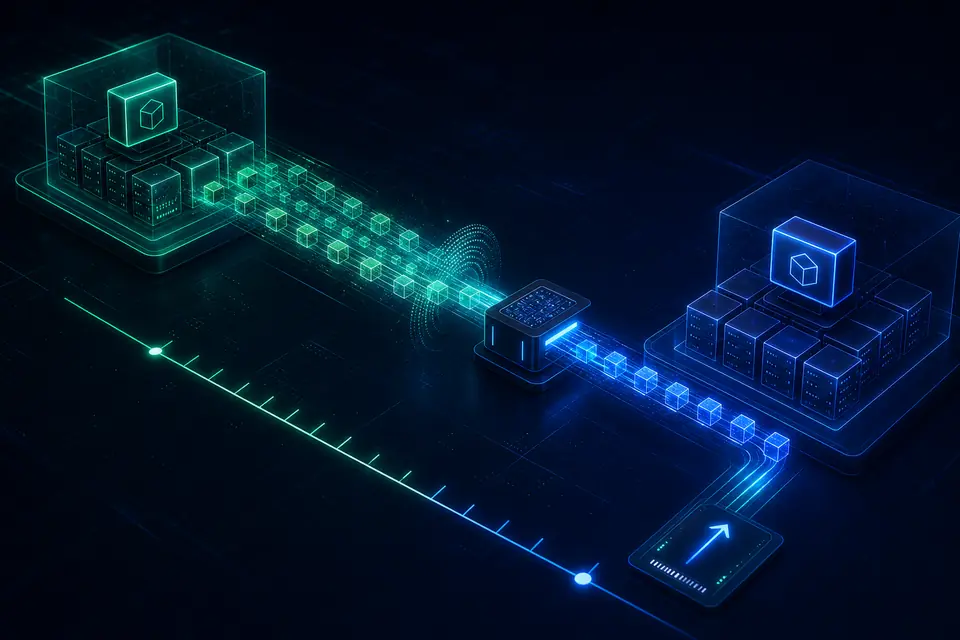
Hot Sync Before Activation
Replication keeps the destination close enough that failover is a controlled switch, not a rebuild.

Targets Fit the Runbook
Use CloudStack, OSSEA or Azure as recovery targets without forcing the whole estate into one platform choice.

Testing Has a Safe Lane
Start clean-room style validation runs without polluting production networks or changing live workloads.

Readiness Is Evidence
Boot checks, validation status and audit history turn DR readiness into proof rather than hope.
DR site economics
Reduce Premium Platform Cost for Idle DR.
CloudStack, OSSEA or Azure can become the recovery target while Sendense keeps protection, failover workflow and readiness evidence intact.
Lower-Cost DR Still Needs Enterprise Control.
Moving DR targets to open infrastructure lowers standby cost, but the recovery model still needs RPO tracking, test workflow, destination protection and audit history.
Savings vary by estate, platform contracts, destination hardware, bandwidth and operational model.
Traditional DR site
High standby cost
Sendense DR at Scale
Open target economics
Multi-site readiness
Know Which Sites Are Ready Before You Need Them.
Large DR plans fail in the gaps between sites, networks, application groups and evidence. Sendense keeps site readiness visible and actionable.
London HQ
New York DC
Singapore Site
Azure Target
DR at Scale FAQs
FAQs for DR at Scale.
Short answers about hot standby recovery, testing, failover targets, destination platforms and readiness evidence.
01What Makes Sendense DR at Scale Different?
Sendense treats DR as an always-prepared operating model. Workloads replicate to a hot standby target, failover modes are built into the workflow, and readiness evidence is tracked before the emergency.
02Can Sendense Run DR on CloudStack or OSSEA?
Yes. Sendense can use CloudStack, OSSEA or Azure as recovery targets, which helps organizations avoid paying VMware-style licensing on infrastructure that exists mainly for disaster recovery.
03How Do Test Failovers Avoid Production Impact?
Test failovers use an isolated lane so standby workloads can boot and be validated without taking over production networking or changing live systems.
04What RPO and Failover Targets Are Supported?
RPO and failover depend on policy, connectivity, workload and target readiness. Prepared runbooks, estate size, bandwidth, storage, application dependencies and destination design all change the result.
05Does DR Readiness Produce Evidence?
Sendense keeps health status, pre-flight checks, validation results and test history close to the recovery workflow so DR readiness is easier to prove to operators, customers and auditors.
Make DR Readiness Operational Before the Incident.
Review your estate, failover modes, RPO targets, destination platform and readiness evidence model with Sendense.