
DR Without Standby Compute.
Store protected recovery points at storage cost, then restore on demand to CloudStack, OSSEA, Azure or VMware.
Not every workload needs hot standby. Sendense lets teams keep a credible recovery path in S3-compatible storage, with EBA efficiency, recovery-validation evidence and cross-platform restore ready when recovery, testing or migration is needed.
S3
Storage Target
0
Idle Compute
Named
Restore Targets
Proof
Recovery Evidence
Flexible DR Policy
Match compute spend to recovery need
Hot Tier
Standby
Flexible Tier
S3 First
Recovery
Named Targets
Hot
Cold
Recover
Recovery Modes
Match Recovery Cost to Workload Priority.
One DR design rarely fits the whole estate. Keep fast failover for the workloads that require it, then use storage-cost flexible DR for systems where recovery can wait for compute to be provisioned.
Always Ready
Hot DR
Replicate to warm or hot standby infrastructure when the workload needs fast failover and the business can justify recovery-site compute.
Storage First
Flexible DR
Keep recovery points in S3-compatible storage, then provision compute only when the workload must be restored, tested or moved.
Mixed Policy
Hybrid DR
Use hot DR for critical applications and flexible DR for the long tail so every workload has a recovery plan without one expensive standard.
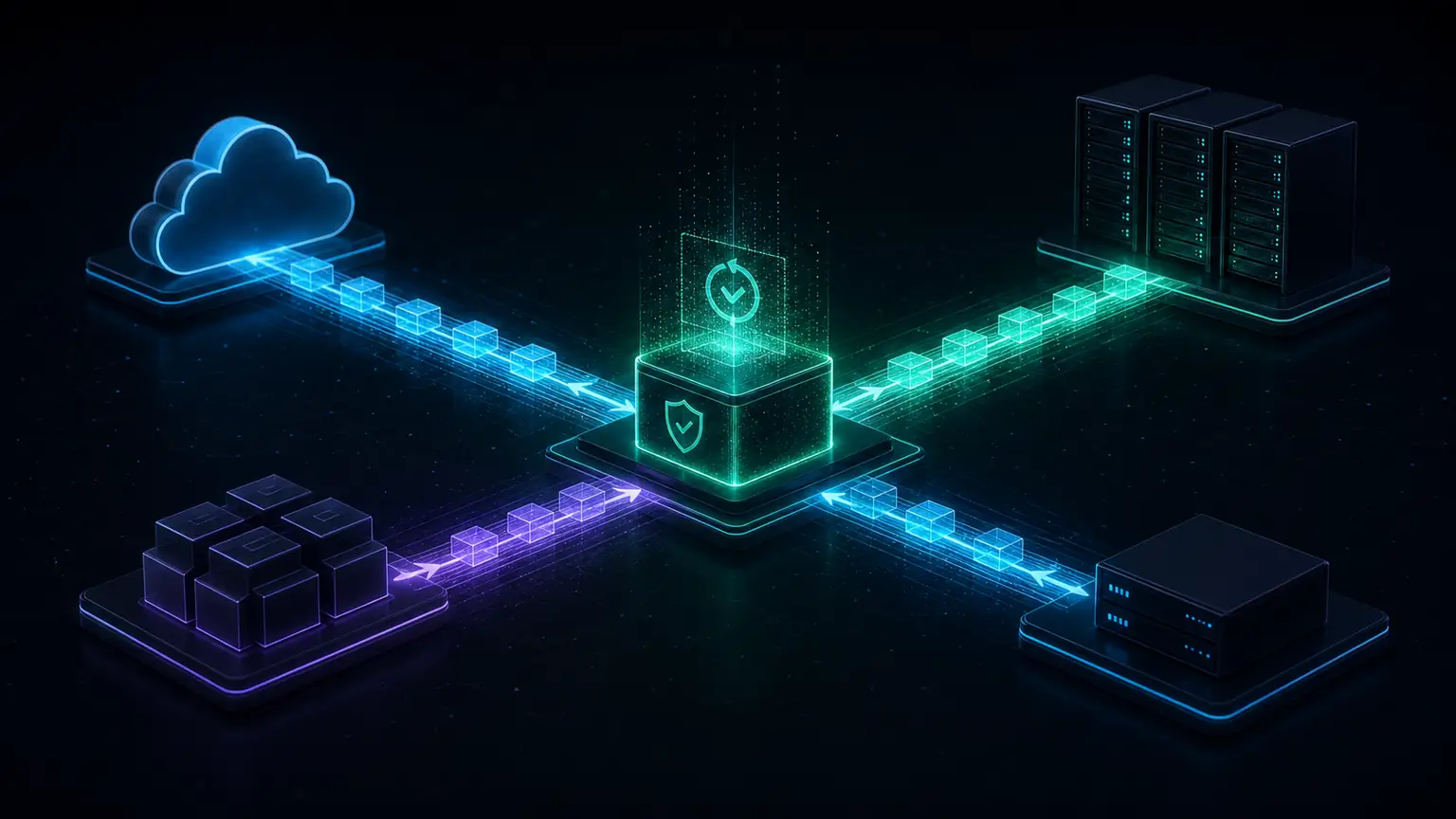
Choose Compute When Recovery Needs Compute.
Flexible DR keeps the recovery point independent from a pre-funded recovery site. When the event happens, choose the destination that fits cost, capacity, location and urgency.
CloudStack
Recover VMware or other protected workloads to CloudStack when you want open infrastructure economics and controlled placement.
OSSEA
Use OSSEA as an open infrastructure landing zone for recoveries, tests or migration events without pre-buying compute for every workload.
Azure
Restore into cloud compute when a recovery event, test window or migration plan makes temporary capacity the right choice.
VMware
Recover back to VMware when the business needs a familiar landing path or when the platform exit is staged over time.
From Stored Recovery Point to Running Workload.
Flexible DR is not just cheap storage. The workflow keeps metadata, validation and conversion ready so recovery can become useful compute when the time comes.
Protect
Capture recovery points from the source platform and keep the retention policy attached.
Store
Write efficient backup data to EBA and S3-compatible storage rather than running idle recovery compute.
Index
Keep file search, recovery point metadata and recovery-validation evidence available before a recovery event.
Choose
Select CloudStack, OSSEA, Azure or VMware when recovery is needed.
Convert
Prepare drivers, boot behavior and target metadata as part of the restore workflow.
Recover
Bring workloads back for production recovery, validation, investigation or migration.
Storage
Until Recovery
Avoid standby compute for workloads that can tolerate a longer RTO.
S3
Compatible Target
Use object storage economics and location flexibility.
EBA
Repository Efficiency
Reduce archive writes while keeping direct restore paths useful.
Named
Platform Restore
Choose the destination at recovery time instead of locking it in early.
Storage-Cost DR Proof
Lower Cost Still Needs a Recoverable Path.
Sendense keeps flexible DR credible with repository efficiency, cross-platform restore, validation evidence and safe recovery testing.

S3 Footprint Stays Efficient
EBA reduces duplicate and sparse data before archive writes, so object storage becomes a practical recovery tier rather than a dumping ground.
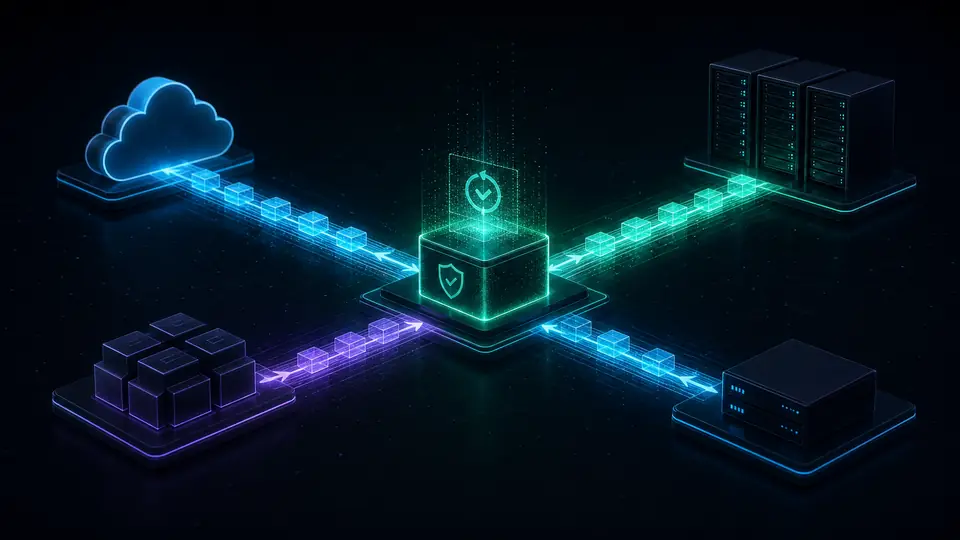
Restore Target Stays Flexible
Sendense handles platform conversion during restore, so the recovery target can be CloudStack, OSSEA, Azure or VMware.

Recovery Has Evidence
Sendense recovery validation keeps recovery confidence visible even when the workload is not sitting on warm standby compute.
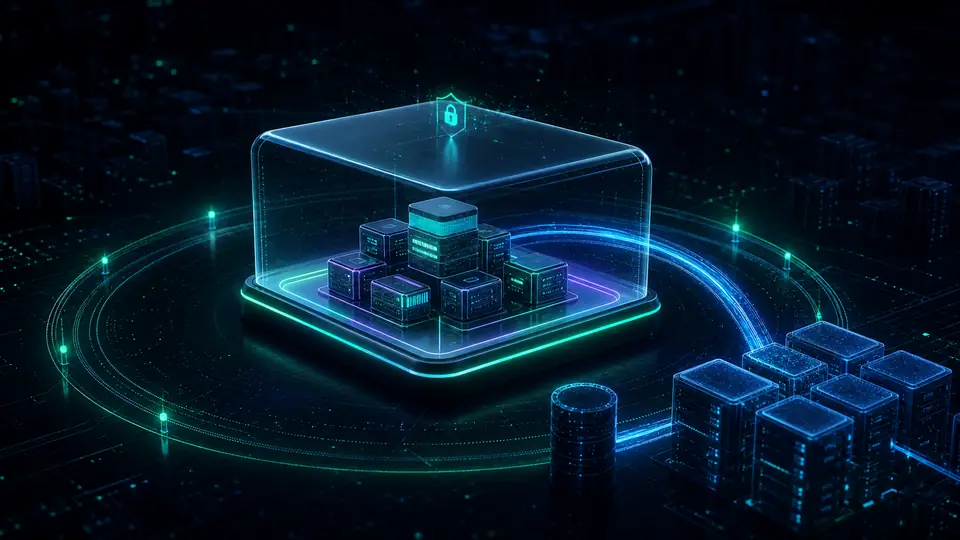
Testing Has a Safe Lane
Lease-bound recovery environments let teams test, investigate or validate without turning the production network into the test bed.
Flexible DR FAQs
FAQs for Flexible DR.
Short answers about storage-cost recovery, standby compute, platform restore and recovery evidence.
01What Is Flexible DR?
Flexible DR is a disaster recovery model where backup data is stored efficiently, often in S3-compatible storage, and compute is provisioned only when recovery, validation or migration is needed.
02How Is Flexible DR Different from Hot DR?
Hot DR keeps standby compute ready for fast failover. Flexible DR avoids that standby compute cost and accepts a longer recovery window, making it a strong fit for workloads where minutes of RTO are not required.
03Can Sendense Restore to a Different Platform?
Yes. Sendense supports cross-platform restore and inline conversion so recovery can land on CloudStack, OSSEA, Azure or VMware depending on the event.
04Does Storage-Cost DR Still Have Proof?
Yes. Recovery-validation evidence, file indexing and recovery point metadata remain available so operators can prove that recovery points are usable even when no standby compute is running.
05Should Every Workload Use Flexible DR?
No. Critical applications may need hot DR. Flexible DR is best for cost-sensitive workloads, long-tail systems, lower tiers, migration staging and recovery plans where storage-cost protection is more appropriate.
Build DR at the Cost Level Each Workload Deserves.
Review your workload tiers, recovery windows, S3 storage options and restore targets with Sendense.