EBA Repository Economics
Software-defined dedupe, compression, immutability and direct restore behavior reduce the need to bolt on specialist repository hardware to make long retention affordable.
The value is not a line-item bake-off. It is what changes when repository efficiency, open DR targets, migration and proof are built into the recovery architecture.
Sendense helps teams move beyond traditional backup economics: EBA reduces storage before archive, DR can land outside a mirrored VMware estate, and one-off migration licensing supports a quick VMware off-ramp without forcing backup at the destination.
EBA
Repository Economics
EBA
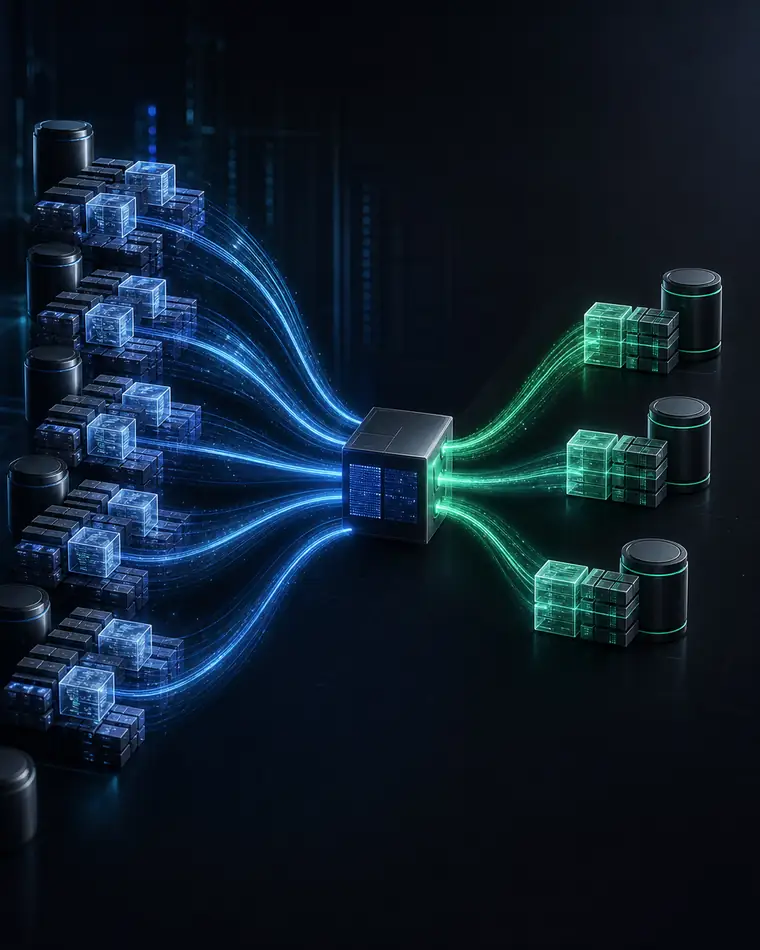
Reduce Before Archive Write
Open
DR Targets
One-Off
Migration Licenses
Value Model
Architecture-led comparison
EBA
Reduce before archive
S3
Reduce before archive write; result depends on workload
DR
Avoid mirrored hypervisor assumptions
Move
One-off migration when backup is not the goal
The Better Question
A simple feature matrix misses the expensive parts of recovery: repository storage, external archive footprint, standby hypervisor licensing, conversion work, validation evidence and provider operations.
Does the backup platform reduce data before expensive archive and retention decisions?
Can the recovery site avoid duplicating the production hypervisor stack?
Can the product be bought for a platform move, not just ongoing backup?
Can the architecture scale across sites, tenants and providers without becoming a single operational choke point?
Value Pillars
Sendense changes the economics where backup programs usually become expensive: repository design, offsite archive, DR target licensing, migration execution and fleet-scale operations.
Repository Value
Sendense Enterprise Block Archive builds deduplication, compression, immutability and direct restore behavior into the platform instead of making repository efficiency depend on a separate appliance project.
Object Storage
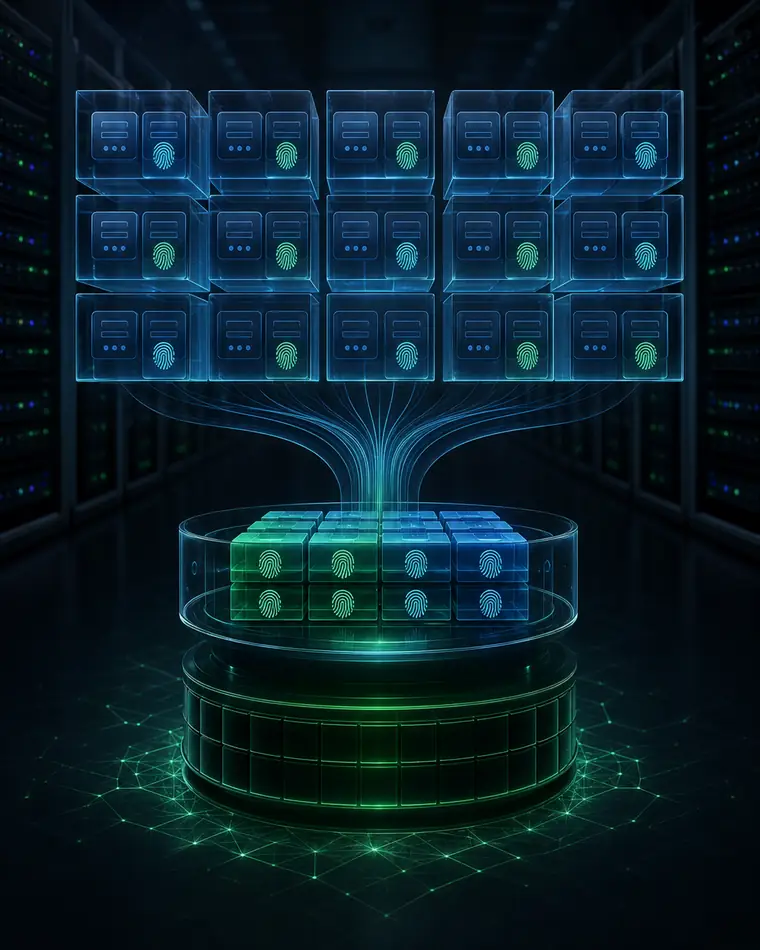
EBA fingerprints, deduplicates and compresses VM data before external object archive writes. Actual footprint depends on workload mix, change rate, retention and object-storage terms.
DR and DRaaS
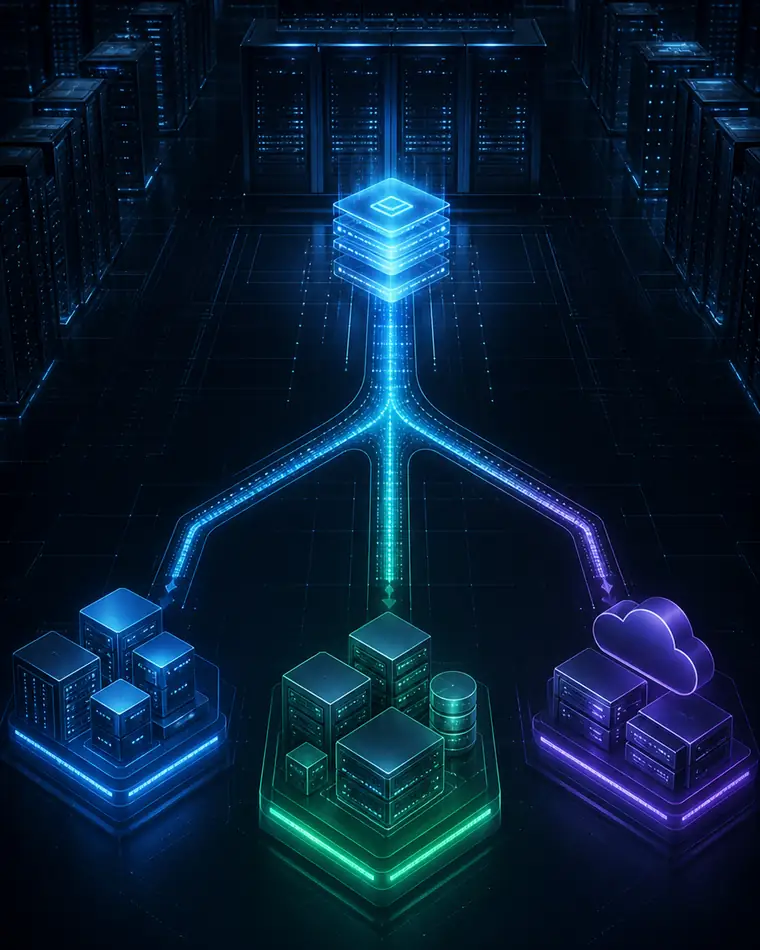
Veeam VMware replication creates VMware vSphere replicas on target hosts. Sendense lets DR and DRaaS teams choose CloudStack, OSSEA, Azure or other supported targets, reducing the need for a second same-hypervisor estate.
Platform Exit
Sendense can be licensed for one-off migration projects, so a VMware off-ramp can move fast without forcing an ongoing backup commitment at the destination.
Recovery Value Cards
Instead of arguing over an inaccurate line-item sheet, evaluate the architecture that lowers storage, archive, DR, migration and operations cost.
Software-defined dedupe, compression, immutability and direct restore behavior reduce the need to bolt on specialist repository hardware to make long retention affordable.
EBA fingerprints, deduplicates and compresses VM data before offsite archive writes. Actual object-storage, transfer and retention overhead depend on the workload and policy.
Recover to supported platforms such as CloudStack, OSSEA and Azure rather than carrying a mirrored VMware estate purely for standby recovery.
Use Sendense as a migration engine when the job is a seamless VMware off-ramp, even when the destination does not need ongoing backup.
SNA edge nodes, SHA hub repositories and SCA fleet control separate data movement, repository operations and provider-scale management.
The biggest difference is not an advertised software line item. It is the cost of everything backup architecture makes you buy, host, license, maintain and migrate around.
See the storage cost modelSendense
EBA handles deduplication, compression, immutability, legal hold and direct restore behavior inside the Sendense repository path.
Typical Veeam-Led Design Consideration
Veeam deployments can use repositories, scale-out tiers, object capacity tiers and deduplicating appliances depending on the architecture.
Value Shift
Fewer moving parts for repository economics.
Sendense
Duplicate and sparse data is reduced before external S3-compatible archive writes. Actual footprint depends on workload mix, change rate, retention and object-storage terms.
Typical Veeam-Led Design Consideration
Object storage economics depend on backup chain design, repository behavior, tiering policy, retention depth and object storage pricing.
Value Shift
Lower offsite storage and transfer exposure.
Sendense
DRaaS and conventional DR can land on supported non-VMware targets, so the recovery site does not need to mirror the production hypervisor strategy.
Typical Veeam-Led Design Consideration
VMware replication workflows create VMware replicas and usually assume VMware target infrastructure for standby recovery.
Value Shift
Less standby hypervisor licensing pressure.
Sendense
One-off migration licenses support fast platform moves where ongoing backup at the destination is optional, not forced.
Typical Veeam-Led Design Consideration
Backup and replication tools can support recovery workflows, but platform exit normally becomes a separate conversion and destination design problem.
Value Shift
Migration can be purchased as the outcome.
Savings depend on current contracts, workload similarity, change rate, retention depth, dedupe ratios, target platform, support model and object storage pricing.
One-Off VMware Off-Ramp
Not every customer wants a new backup relationship at the destination. Sometimes the job is simple: get off VMware quickly, land cleanly on another platform, and avoid dragging a same-platform DR design behind the project.
Sendense supports one-off migration licensing for those projects, while still preserving the operational discipline of inventory mapping, conversion, cutover, proof and rollback planning.
VMware estate, recovery points, job history and application dependency map.
Changed-block sync, conversion planning, test boot and controlled cutover.
CloudStack, OSSEA, Azure or supported destination with backup optional after the move.
Distributed Recovery Architecture
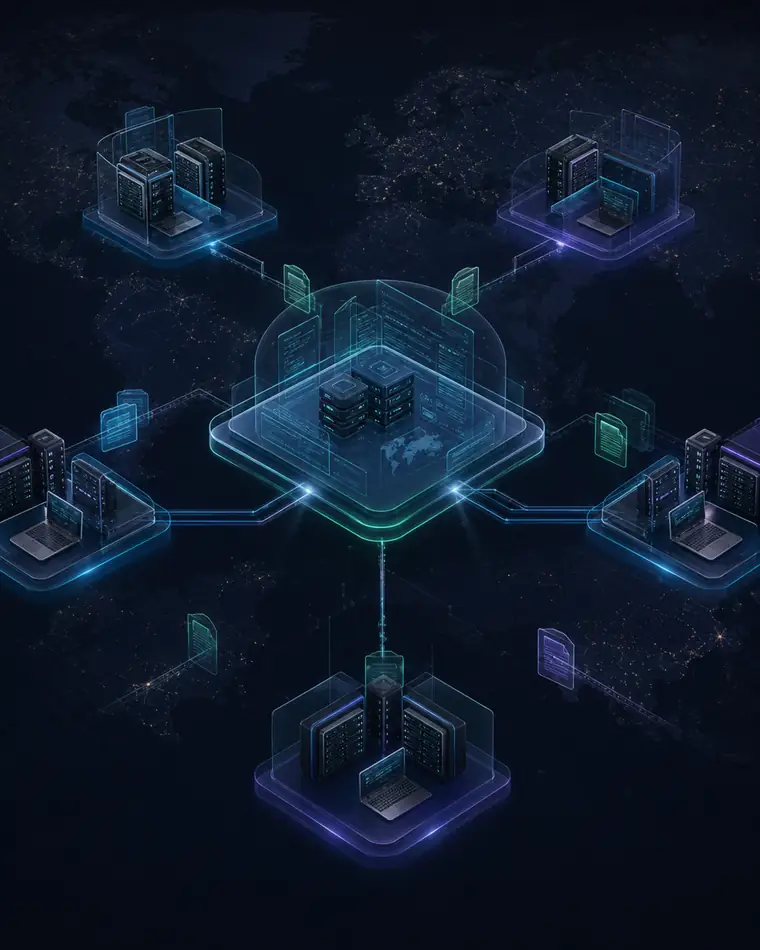
Sendense separates site data movement, hub repository operations and fleet control. That matters when the buyer is replacing a backup stack across branches, tenants, regions or DRaaS customers.
SNA nodes sit close to the protected workload, capture changed blocks and initiate the protected path back to the hub.
The hub coordinates recovery workflows, stores EBA recovery points and keeps repository operations away from production surfaces.
SCA gives enterprises, MSPs and DRaaS providers a tenant-aware control layer above multiple protected estates.
Assessment Workflow
Start with the current Veeam estate, then model the storage, archive, DR, migration and architecture changes that Sendense can unlock.
Inventory backup repositories, replication paths, DR targets, retention requirements and VMware licensing exposure.
Estimate repository reduction, external S3 footprint, appliance avoidance and restore behavior with EBA in the path.
Choose the right DR or migration destinations: CloudStack, OSSEA, Azure, VMware or another supported target.
Run ongoing backup and DR, or license a one-off platform move when the goal is a clean VMware off-ramp.
Attach validation evidence, boot checks, checksums and operational proof to the recovery workflow.
Separate SNA, SHA and SCA roles as the estate grows across branches, customers, regions and providers.
Sendense vs Veeam FAQs
Short answers for teams replacing Veeam, moving off VMware, reducing S3 costs or designing DRaaS around open recovery targets.
License price alone is too easy to make inaccurate. The useful comparison is architectural value: repository hardware avoidance, lower external S3 footprint, reduced standby hypervisor licensing, migration flexibility and provider-scale operations.
EBA puts deduplication, compression, immutability, retention controls and direct restore behavior into the Sendense platform. That can reduce the need for separate deduplicating repository appliances or complex storage projects where those were being used to improve backup economics.
EBA fingerprints, deduplicates and compresses VM data before external archive writes. There is no universal reduction ratio. Results depend on workload similarity, change rate, retention depth, encryption scope and object-storage pricing.
Sendense can recover to supported targets such as CloudStack, OSSEA and Azure. That means the DR destination does not have to be a full mirrored VMware estate just to receive replicas, which can materially change the cost model for standby recovery.
Yes. Sendense can be licensed for one-off migration projects where the customer needs a fast, seamless platform off-ramp but does not need ongoing backup at the destination after cutover.
Review your Veeam estate against EBA storage economics, open DR targets, migration plans and distributed Sendense architecture.